
記事一覧へ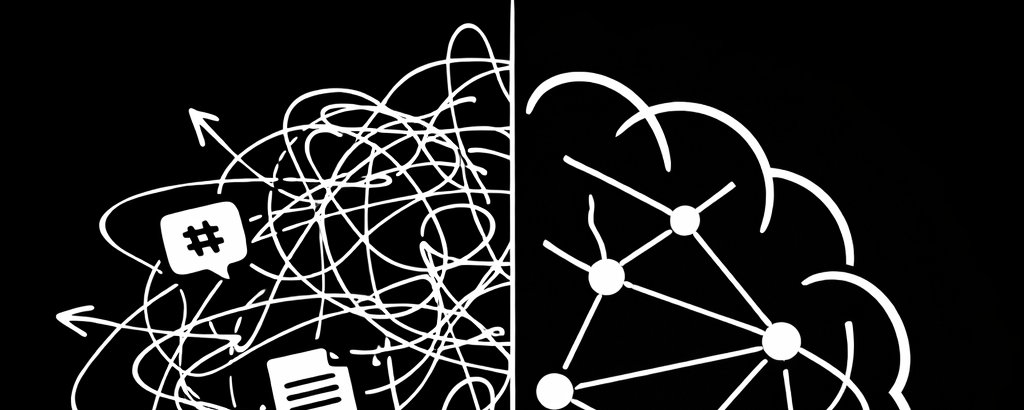
あなたの会社に必要なのはもっとコネクタではなく、脳だ
エージェントが会社を理解するとはどういう意味か?
ツール全体を横断して検索することではない。ドキュメントを取得することでもない。理解することだ。
素晴らしいチーフ・オブ・スタッフが6カ月後に会社を理解する方法のように。実際に意思決定をする人が誰かを知っている——組織図に誰が載っているかだけでなく。どのSlackチャンネルが本物の会話で、どれが儀礼的かを知っている。CRMは取引が3月にクローズしたと言うが、握手は誰も記録していない夕食の場での1月の出来事だったことを知っている。先週何が変わって、なぜ今週それが重要かを知っている。
そのような理解は総合から来る。数十のソースにわたる何百ものシグナルを観察し、どの単一のソースよりも正確な現実のモデルを構築する。
今日のエージェントはこれをやっていない。
会社全体にエージェントを展開する。MCPサーバーやAPIインテグレーションでツールに接続する。エージェントはSlackを検索し、Google Driveを読み、CRMをクエリできる。全てへのアクセスを与えた。
それでも何も理解していない。
最大の顧客との関係を誰が所有しているかをエージェントに聞く。Gmailを検索し、最近のスレッドを見つけ、名前を教えてくれる。別のツールから同じことを聞くと別の名前を得る。今四半期のトップ優先事項を聞くと、見つかった最初の戦略ドキュメントから引き出す——たとえそのドキュメントが6カ月古くて3回の方向転換後のものだとしても。
失敗モードは、エージェントが情報を見つけられないことではない。失敗モードは、多すぎる情報を見つけて、何が最新か分からず、ソース間の矛盾を解決できず、断片を全体の真実として自信を持って提示することだ。
## アクセス vs 理解
アクセスとは、エージェントがデータにアクセスできることを意味する。理解とは、エージェントが他の全てのコンテキストの中でそのデータが何を意味するかを知っていることを意味する。Google Drive、Slack、CRMへのアクセス権を持つ新入社員はアクセスを持っている。6カ月間コンテキストを吸収し、会議に出席し、意思決定の背後にある物語を聞き、どのソースが重要でどれが古いかを学んだ後、彼らは理解を持つ。
この移行が全てのゲームだ。誰もそれを構築していない。
理由は、業界が問題を間違ってフレーミングしたからだ。
現在のフレーミングは取得についてだ。適切な情報を適切なタイミングでエージェントに届けるにはどうすればいいか?RAGパイプライン、ベクターデータベース、セマンティック検索、MCPサーバー。全て取得インフラ。全て同じアイデアのバリエーション:エージェントが何かを必要とするとき、それを見つけに行く。
取得はスカベンジャーハントだ。エージェントがコンテキストを必要とするたびに、ツールをゼロから検索する。事前の理解なし、蓄積された知識なし、前回見た以降に何が変わったかの感覚なし。毎回ゼロからのスタート。
毎朝新入社員を雇って、全システムへの完全なアクセスを与え、昼食までに意思決定するよう頼むことを想像しろ。彼らは物を見つけるだろう。その半分について自信を持って間違っているだろう。午後はその訂正に費やすことになる。
代替手段は総合された理解だ。会社の脳だ。ランタイムに検索する代わりに、ソースが変化するにつれて最新状態を維持する会社の永続的なモデルを構築する。エージェントは検索しない。読む。すでに知っている。
取得は言う:誰かが質問したとき、答えを見つけろ。総合された理解は言う:誰かが聞く前にすでに答えが存在するように、継続的に更新される現実の表現を維持しろ。
違いは微妙に聞こえる。実際には、全てを変える。取得は断片を与える。総合は世界観を与える。
## 困難な問題
その世界観を構築するには、業界がほぼ無視してきたいくつかの問題を解決する必要がある。
あなたの会社のデータは常に自己矛盾する。Slackはプロジェクトの締め切りが金曜日だと言う。Linearボードは次の水曜日だと言う。最後のミーティング録音ではPMが「月末」と言っている。取得システムは最初に見つかったものを返す。理解システムは矛盾を解決し、どのソースが最も権威があるかを決定し、推論とともに単一の答えを提示する。
Lisa Chenはデータの中で、メールではLisa.Chen@acme.com、Slackでは@Lisa、CRMでは「Lisa Chen」、ミーティング議事録では「Lisa from Acme」、カレンダーの招待では「L. Chen」として表示される。取得システムにとって、それらは5つの無関係なテキスト文字列だ。理解システムにとって、それらは同一人物であり、全てのチャンネルにわたって彼女が言ったことは一つのアイデンティティの下に統合される。
情報は劣化する。1月の戦略ドキュメントは古い。チームページは最後の組織改編以来更新されていない。Wikiのプロジェクトステータスは2スプリント前には正確だった。取得システムは6カ月前のドキュメントを10分前に送られたメッセージと同じ信頼度で扱う。理解システムは情報が最後に確認された時を追跡し、何が古くなっているかを知っている。
全てのソースが同等ではない。CEOのメールが一つのことを言い、ランダムなSlackスレッドが別のことを言うとき、メールが勝つ。署名された契約が一つのことを言い、CRMフィールドが別のことを言うとき、契約が勝つ。理解システムにはソース権威の階層が必要だ。
そして最も困難な問題がある:複数のソースを組み合わせて、どのソースも個別には言っていないものを作り出すことだ。「インフラ移行は、リードエンジニアが来週不在であり、ペイメントチームへの依存関係が未解決であり、元のタイムラインは今頃新しい採用者がオンボーディングされていることを前提としていたため、リスクがある」と書かれたドキュメントは誰も書いていない。その理解は、プロジェクトトラッカー、カレンダー、採用パイプライン、先週のスタンドアップノートを組み合わせたときにのみ存在する。
## デリバリーメカニズムは人々が考える以上に重要
コンテキストグラフ——総合され、矛盾が解決され、ソースが追跡された会社の表現——を構築した後、どうやってエージェントに届けるか?
ファイルだ。
全てのエージェントはすでにファイルの読み方を知っている。Claude Codeはプロジェクトディレクトリから読む。Cursorはコードベースから読む。OpenClawはローカルファイルシステムから読む。ファイルシステムはすべてのエージェントがすでにサポートしている唯一のインターフェースだ。
ファイルシステムとして表出するコンテキストグラフは、あらゆるベンダーの、あらゆるフレームワークを使った、あらゆるエージェントが、カスタム統合なしに読めることを意味する。構造化され最新のディスク上のファイルを、エージェントが起動時に読む。
ファイルシステムはアーキテクチャ上の選択であり、単なるデリバリーメカニズムではない。コンテキストレイヤーは特定のエージェント、ベンダー、ワークフローから切り離されている。会社自身の理解は一カ所に存在する。全てのエージェントがそこから読む。エージェントを切り替え、新しいツールを追加し、スタックを変えても、コンテキストは持続する。
しかし静的なスナップショットでいっぱいのファイルシステムは日記であり、脳ではない。それを脳にするのは、ファイルが書かれる前に起きることだ。総合レイヤーはSlackスレッド、メールチェーン、ミーティング議事録からの生の、散らかった、矛盾したシグナルを受け取り、以前は人間の頭の中でのみ起きていた解釈作業を行う。矛盾を解決し、ソースをランク付けし、何が最新かを追跡し、断片化したメンションをまたいでアイデンティティを構築する。その解釈が製品だ。ファイルはただの出力だ。
## 会社の真実
今日の会社の真実は人々の頭の中に存在する。デジタルシステムは私たちが持っている最も近いセンサーレイヤーだ。コンテキストグラフが6カ月のテニュアを持つ人が必要としていた総合作業をするとき、マップは会社の表現であることをやめる。それは知っているものになる。
会社を理解することが目標なら、システムがどれだけうまくやっているかをテストする方法があるべきだ。それが存在しない。
コード生成、数学的推論、長コンテキスト再現、ツール使用、指示追従のベンチマークがある。「会社の本物のツールにわたる本物のデータが与えられた場合、このシステムは会社についての基本的な質問に正確に答えられるか?」を問うベンチマークはない。
エンジニアリングチームには誰がいるか?アクティブなプロジェクトは何か?Acmeの関係を誰が所有しているか?先週何が変わったか?インフラ移行の現在のステータスは何か?SlackとCRMが一致しないとき、どちらが正しいか?
有能な従業員なら数週間後にはこれらに答えられる。今日のエージェントは信頼性高く答えられない、なぜなら誰も必要な総合作業をやっていないからだ。
私たちはこれをテストするためのベンチマークを構築している。初期結果は謙虚だ。全員に対して、私たちを含めて。しかし少なくとも今は進捗を測定する方法がある。
## 複利で効く理解
コンテキストグラフは稼働するにつれて毎日良くなる。1日目、少ししか知らない。30日目、何千ものメッセージ、何百ものドキュメント、数十のミーティングを吸収した。矛盾を解決し、アイデンティティマップを構築し、何が変わって何が変わらなかったかを追跡した。30日目の理解は質的に1日目とは異なる。
全ての新しいデータポイントが既存のグラフをより価値あるものにする。新しいSlackメッセージは1つの事実を追加するだけではない。プロジェクトステータスを確認し、関係を更新し、優先度のシフトを明らかにし、2つの古いソース間の矛盾を解決するかもしれない。
これを早送りすることはできない。小切手を書いて6カ月目にスキップすることはできない。理解は蓄積しなければならない。
待つコストは「まだ持っていない」ではない。「始めない毎日、さらに遅れている」だ。今日構築を始める会社は、後でどれだけのお金でも買えない6カ月分の複利的な理解を持つことになる。
それが本物のモートだ。複製できる技術ではない。あなたの特定の会社の蓄積された理解だ。それは独自だ。複利で効く。そして時間とともにのみ成長する。
## 2025年はエージェントにアクセスを与えた。2026年は理解についてだ。
業界は2025年にエージェントにアクセスを与えることに費やした。コネクタ、MCPサーバー、ツール統合。その作業は必要だった。アクセスは容易な部分だと判明した。
2026年は理解についてだ。それらのツールにある情報を、一貫した、最新の、信頼できる現実の表現に総合すること。全てのエージェントが読める表現。矛盾を無視する代わりに解決し、hallucinate(幻覚)する代わりにソースを追跡し、陳腐化する代わりに最新を保つもの。
あなたの会社には脳が必要だ。
継続的に更新され、ソースに根拠を持ち、矛盾が解決された、あなたが誰で、何をやっていて、どのように機能するかの理解。全てのエージェントが読めるファイルとして提供される。毎日複利で効く。
それがHyperspellで私たちが構築しているものだ。
あなたの会社のコンテキストグラフがどのように見えるかを15分で見せることができる。
hyperspell.com
agent-opsharness-designai-thinkingclaude-workflow
会社に必要なのはコネクタではなく脳だ:エージェントの「理解」問題
出典: conor brennan-burke(@contextconor)さんの X の投稿を、日本語に翻訳して紹介しています。 原文はこちら ↗
14018
原文を表示 / Show original
Your company needs a brain, not more connectors
What does it mean for agents to understand a company?
Not search across its tools. Not retrieve its documents. Understand it.
The way a great chief of staff understands the company after six months. They know who actually makes decisions, not just who's on the org chart. They know which Slack channel has the real conversation and which one is performative. They know the CRM says the deal closed in March but the handshake happened in January over a dinner nobody documented. They know what changed last week and why it matters this week.
That understanding comes from synthesis. Watching hundreds of signals across dozens of sources and building a model of reality that's more accurate than any single source.
No agent does this today.
You deploy agents across your company. You connect them to your tools with MCP servers or API integrations. Your agents can search Slack, read Google Drive, query your CRM. You've given them access to everything.
They still don't understand anything.
Ask your agent who owns the relationship with your biggest customer. It searches Gmail, finds a recent thread, gives you a name. Ask it again from a different tool and you get a different name. Ask about your top priorities this quarter and it pulls from whatever strategic document it finds first, even if that document is six months old and three pivots behind.
The failure mode is not that the agent can't find information. The failure mode is that it finds too much, can't tell what's current, can't resolve conflicts between sources, and confidently presents a fragment as the whole truth.
## Access vs. Understanding
Access means the agent can reach your data. Understanding means the agent knows what that data means in the context of everything else. A new employee with access to your Google Drive, Slack, and CRM has access. After six months of absorbing context, attending meetings, hearing the stories behind decisions, learning which sources matter and which are outdated, they have understanding.
That transition is the entire game. Nobody is building it.
The reason is that the industry framed the problem wrong.
The current framing is about retrieval. How do we get the right information to the agent at the right time? RAG pipelines, vector databases, semantic search, MCP servers. All retrieval infrastructure. All variations on the same idea: when the agent needs something, go find it.
Retrieval is a scavenger hunt. Every time your agent needs context, it searches your tools from scratch. No prior understanding, no accumulated knowledge, no sense of what's changed since the last time it looked. Starting from zero, every single time.
Imagine hiring a new employee every morning, giving them full access to every system, and asking them to make decisions by lunch. They'll find things. They'll be confidently wrong about half of it. You'll spend your afternoon correcting them.
The alternative is synthesized understanding. A company brain. Instead of searching at runtime, you build a persistent model of the company that stays current as sources change. The agent doesn't search. It reads. It already knows.
Retrieval says: find the answer when someone asks the question. Synthesized understanding says: maintain a continuously updated representation of reality so the answer already exists before anyone asks.
The difference sounds subtle. In practice, it changes everything. Retrieval gives you fragments. Synthesis gives you a worldview.
## The hard problems
Building that worldview requires solving several problems that the industry has mostly ignored.
Your company's data contradicts itself constantly. Slack says the project deadline is Friday. The Linear board says next Wednesday. The last meeting recording has the PM saying "end of month." A retrieval system returns whichever it finds first. An understanding system resolves the conflict, determines which source is most authoritative, and presents a single answer with its reasoning.
Lisa Chen appears in your data as Lisa.Chen@acme.com in email, @Lisa in Slack, "Lisa Chen" in the CRM, "Lisa from Acme" in a meeting transcript, and "L. Chen" on a calendar invite. To a retrieval system, those are five unrelated text strings. To an understanding system, they're the same person, and everything she's said across every channel gets unified under one identity.
Information decays. The strategy doc from January is outdated. The team page hasn't been updated since the last reorg. The project status in the wiki was accurate two sprints ago. A retrieval system treats a six-month-old document with the same confidence as a message sent ten minutes ago. An understanding system tracks when information was last confirmed and knows what might be stale.
Not all sources are equal. When the CEO's email says one thing and a random Slack thread says another, the email wins. When the signed contract says one thing and the CRM field says another, the contract wins. An understanding system needs a hierarchy of source authority.
And then there's the hardest problem: combining multiple sources into something none of them say individually. Nobody wrote a document that says "the infrastructure migration is at risk because the lead engineer is out next week, the dependency on the payments team is unresolved, and the original timeline assumed we'd have the new hire onboarded by now." That understanding only exists when you combine the project tracker, the calendar, the hiring pipeline, and last week's standup notes.
These problems are not new. Intelligence analysts and investigative journalists do this work every day. Language models make it possible to do it computationally. Not perfectly, but well enough to be useful and improving fast.
## The delivery mechanism matters more than people think
Once you've built a context graph, a synthesized, conflict-resolved, source-tracked representation of a company, how do you get it to agents?
Files.
Every agent already knows how to read files. Claude Code reads from a project directory. Cursor reads from your codebase. OpenClaw reads from its local filesystem. The filesystem is the one interface every agent already supports.
A context graph that surfaces as a filesystem means any agent, from any vendor, using any framework, can read from it without custom integration. Just files on disk, structured and current, that the agent reads when it boots up.
The filesystem is an architectural choice, not just a delivery mechanism. The context layer is decoupled from any specific agent, vendor, or workflow. Your company's understanding of itself lives in one place. Every agent reads from it. When you switch agents, add new tools, or change your stack, the context persists.
But a filesystem full of static snapshots is a diary, not a brain. What makes it a brain is what happens before the files are written. The synthesis layer takes raw, messy, contradictory signal from Slack threads and email chains and meeting transcripts and does the interpretive work that previously only happened inside a person's head. It resolves conflicts, ranks sources, tracks what's current, builds identity across fragmented mentions. That interpretation is the product. The files are just the output.
## The ground truth of a company
The ground truth of a company today lives in people's heads. Digital systems are the closest sensor layer we have. When the context graph does the synthesis work that used to require a person with six months of tenure, the map stops being a representation of the company. It becomes the thing that knows.
If understanding your company is the goal, there should be a way to test how well a system does it. There isn't.
We have benchmarks for code generation, mathematical reasoning, long-context recall, tool use, instruction following. No benchmark asks: given a company's real data across its real tools, can this system accurately answer basic questions about the company?
Who's on the engineering team? What are the active projects? Who owns the Acme relationship? What changed in the last week? What's the current status of the infrastructure migration? Which source is correct when Slack and the CRM disagree?
Any competent employee could answer these after a few weeks. No agent can answer them reliably today, because none of them are doing the synthesis work required.
We're building a benchmark to test this. Early results are humbling. For everyone, including us. But at least now there's a way to measure progress.
## Compounding understanding
A context graph gets better every day it runs. Day one, it knows a little. Day thirty, it has absorbed thousands of messages, hundreds of documents, dozens of meetings. It has resolved conflicts, built identity maps, tracked what changed and what didn't. The understanding on day thirty is qualitatively different from day one.
Every new data point makes the existing graph more valuable. A new Slack message doesn't just add one fact. It might confirm a project status, update a relationship, reveal a priority shift, and resolve a conflict between two older sources.
You can't fast-forward this. You can't write a check and skip to month six. The understanding has to accumulate.
The cost of waiting is not "we don't have it yet." It's "we're falling further behind every day we don't start." The company that starts building today will have six months of compounded understanding that no amount of money can buy later.
That's the real moat. Not the technology, which can be replicated. The accumulated understanding of your specific company. That's proprietary. That compounds. And it only grows with time.
## 2025 gave agents access. 2026 is about understanding.
The industry spent 2025 giving agents access. Connectors, MCP servers, tool integrations. That work was necessary. Access turned out to be the easy part.
2026 is about understanding. Synthesizing what's in those tools into a coherent, current, trustworthy representation of reality. A representation every agent can read from. One that resolves conflicts instead of ignoring them, tracks sources instead of hallucinating them, stays current instead of going stale.
Your company needs a brain.
A continuously updated, source-grounded, conflict-resolved understanding of who you are, what you're doing, and how you work. Delivered as files any agent can read. Compounding every day.
That's what we're building at Hyperspell.
If you want to see what your company's context graph looks like, we can show you in fifteen minutes.
hyperspell.com